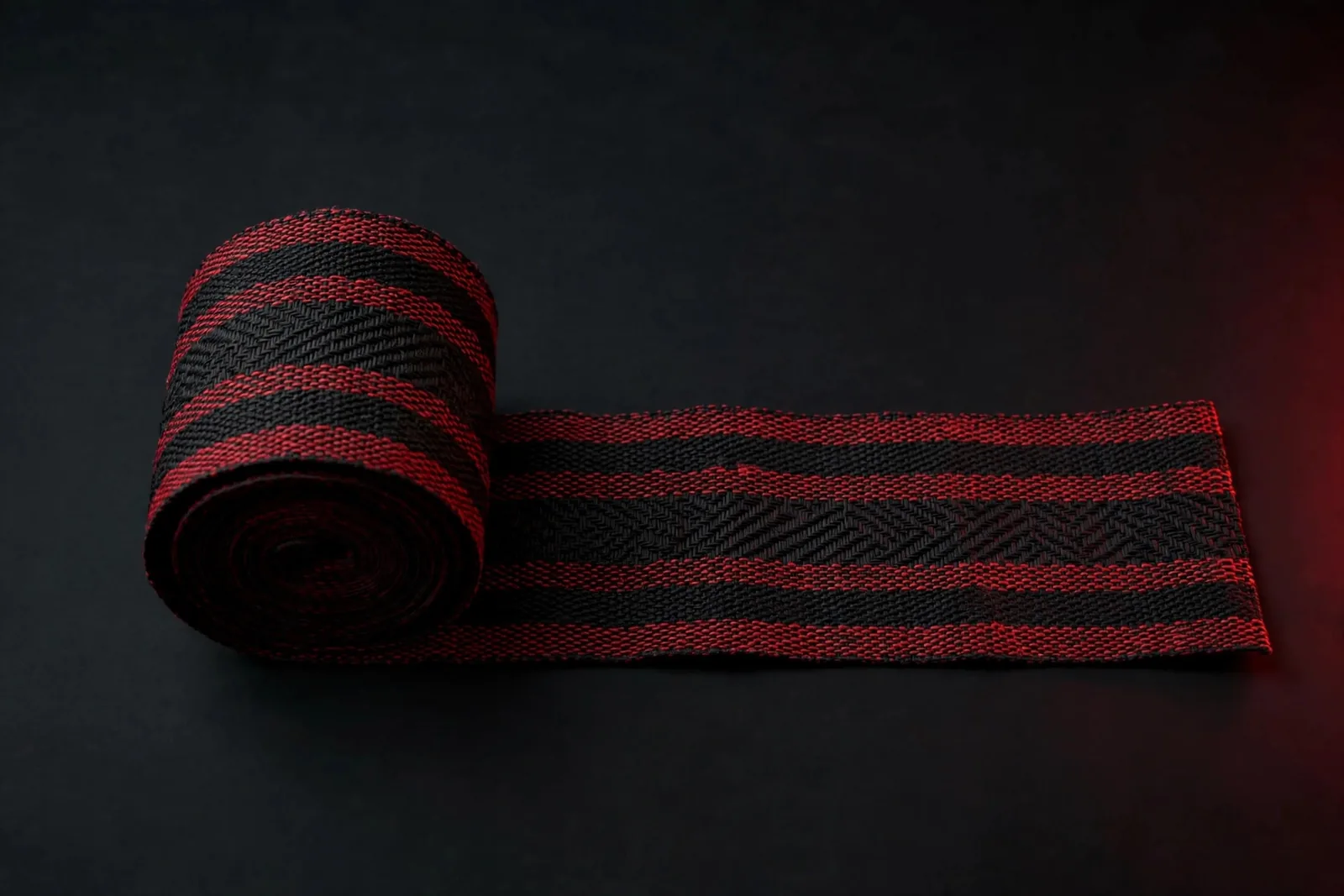
Hand wraps are the first layer of protection every striker puts on, yet they are often bought with less thought than gloves or pads. The right length, fabric and closure decide how well the wrist is supported, how the knuckles are padded and whether the wrap stays in place through hard rounds. This guide explains the options so fighters and brands can choose with confidence.
Why Fighters Wrap Their Hands
The hand contains many small bones and joints that shift under impact. A properly applied wrap compresses the hand into a single solid unit, supports the wrist in alignment with the forearm and adds a thin layer of padding over the knuckles.
Wraps also absorb sweat, protecting glove linings from odour and breakdown, which is why they are essential kit across boxing, Muay Thai and MMA.
Standard Wrap Lengths Explained
Hand wraps are sold in several common lengths, and length decides how much material is available for the wrist, knuckles and thumb. Shorter wraps around 2.5 to 3 metres suit smaller hands and light technical training.
Wraps of 4 to 4.5 metres are the most common adult choice, giving enough material for full wrist support and knuckle coverage. Extra-long wraps around 5 metres are preferred by fighters who wrap heavily between the fingers or wear larger gloves.
Choosing Length by Hand Size and Style
Hand size matters as much as discipline. A long wrap on a small hand creates bulky layers that make gloves feel tight, while a short wrap on a large hand runs out before the wrist is properly supported.
Heavy punchers usually choose longer wraps for extra wrist passes, while grapplers often pick shorter, thinner wraps that fit inside compact MMA gloves.
Fabric Options: Cotton, Elastic and Blends
Traditional non-elastic cotton wraps hold a firm, structured wrap that many old-school boxers prefer. They require more technique to apply evenly but stay rigid once tied and washed-in.
Elasticated wraps, often called Mexican-style, blend cotton or polyester with spandex so the fabric stretches and conforms to the hand. They are easier for beginners to apply snugly and are now the most common style in gyms worldwide, including across the boxing accessories ranges brands typically stock.
Mexican-Style Wraps in Detail
The stretch in Mexican-style wraps lets each pass hug the contours of the knuckles and wrist without cutting circulation. The fabric’s slight give also means the wrap adjusts as the hand swells during training.
The trade-off is discipline: over-stretching the fabric can make the finished wrap too tight, so quality versions use moderate elasticity that conforms without hard pulling.
How Wraps Support the Wrist and Knuckles
Support comes from how the material is distributed rather than from the fabric alone. Key protective functions of a well-applied wrap include:
- Locking the wrist in line with the forearm to reduce bending on impact
- Binding the metacarpal bones together so the fist lands as one unit
- Adding padding over the knuckles to spread force under the glove
- Securing the thumb against the hand to lower sprain risk
- Filling the glove for a snug fit that stops internal hand movement
Longer wraps achieve more of these layers, which is why length and technique should always be considered together.
Thumb Loops and Closure Systems
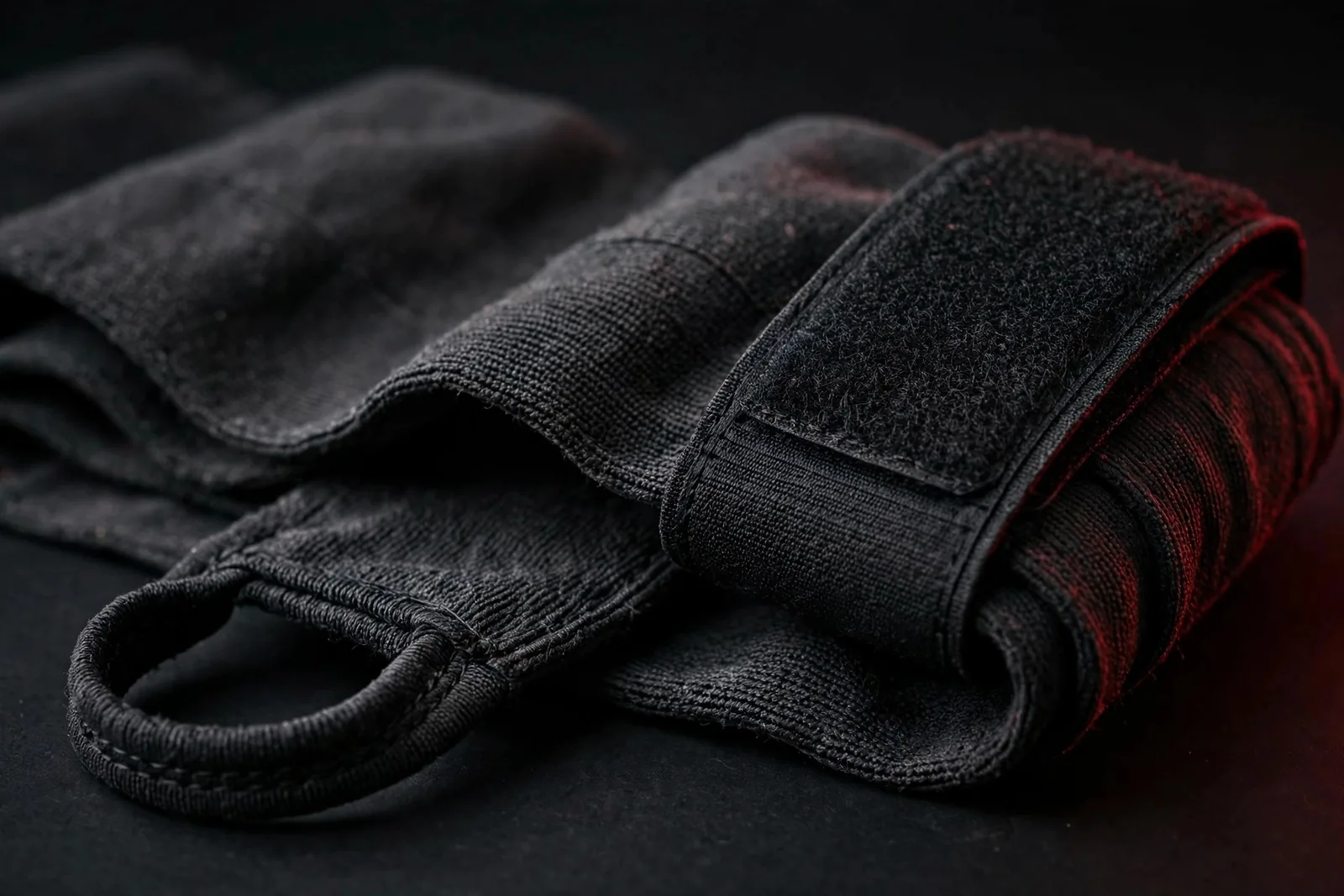
Almost every wrap starts with a thumb loop that anchors the fabric while the first passes are made. The loop should sit flat and be stitched securely, since it carries tension throughout the wrapping process.
Closures are almost always hook-and-loop straps at the wrist. Wider straps spread pressure and stay closed better during clinch work, while narrow straps can roll or detach. The strap patch and its stitching are worth checking on any sample, as closure failure ends a wrap’s useful life.
Wrapping Technique Basics
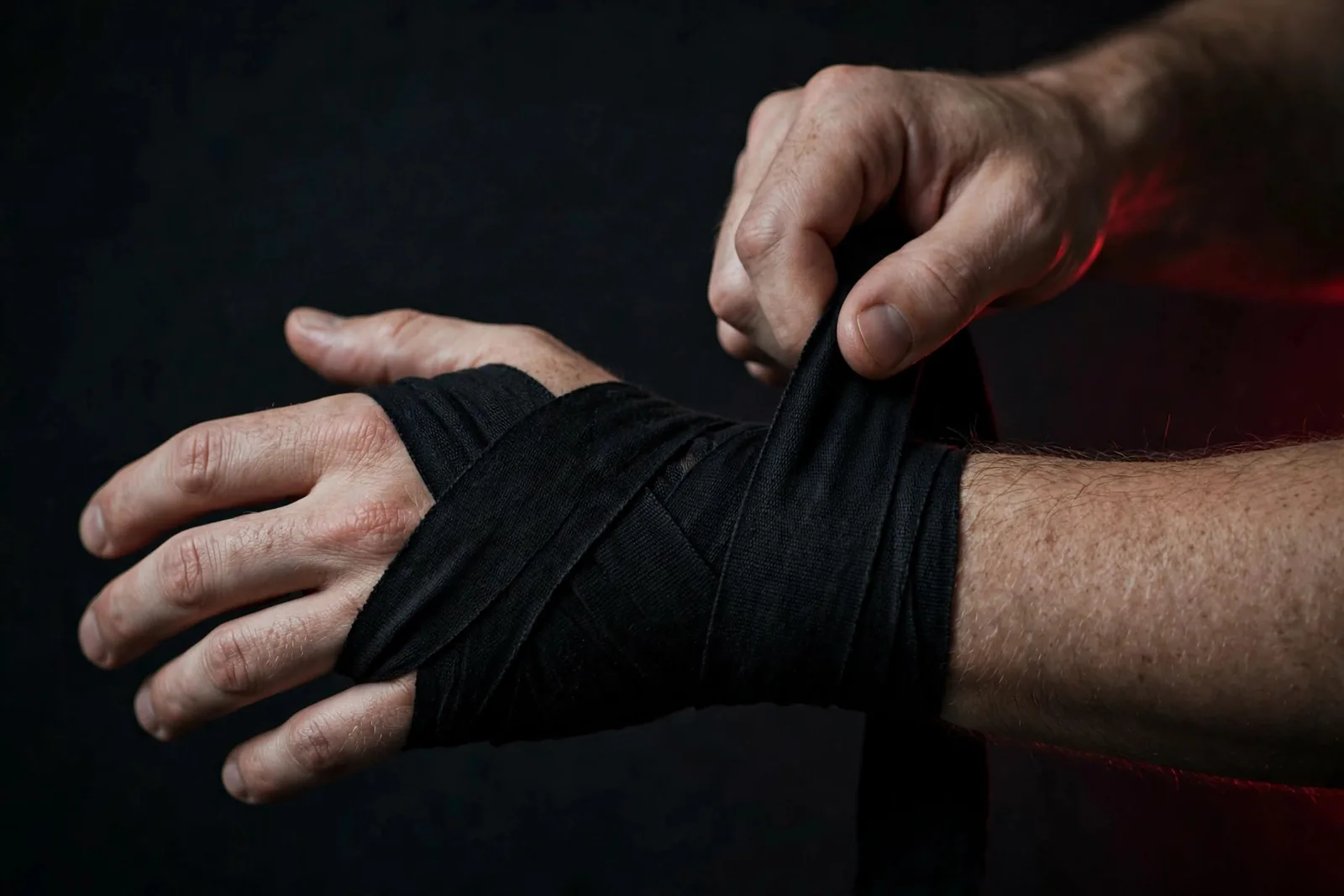
Most techniques follow the same order: anchor at the thumb, wrap the wrist several times, cover the knuckles, pass between the fingers if preferred, then finish back at the wrist. Tension should be firm and even, never tight enough to tingle.
Consistency matters more than complexity: a simple wrap applied the same way every session protects better than an elaborate method done carelessly.
Washing, Care and Replacement
Wraps collect sweat and bacteria quickly, so wash them after every few sessions. Fastening the strap before washing stops snagging, and a mesh bag prevents tangling.
Air drying keeps elastic fibres healthy; repeated tumble drying shortens their life. When a wrap loses its stretch, frays at the edges or the closure stops gripping, it is time to replace it rather than risk poor support.
Quality Checks for Bulk Buyers
Brands sourcing wraps in volume should check fabric weight consistency, edge finishing and stitch quality at the loop and closure. Serged or hemmed edges resist fraying far better than raw-cut edges on elastic fabrics.
At FORM FIGHT in Sialkot, wraps are produced as part of complete boxing ranges so lengths, colours and branding align with the gloves they will be worn under, following the same custom manufacturing capabilities used for the wider catalogue.
Custom Branding Options
Wraps are a low-cost, high-visibility product for labels: woven logos on the closure strap, printed patterns along the length and matched colourways with gloves all help a range look unified.
Because wraps are replaced more often than gloves, they also give brands repeat-purchase value, making consistent sizing and colourfastness especially important across production runs.
Conclusion
Hand wraps protect through structure: enough length to cover wrist and knuckles, a fabric that matches the fighter’s experience, and closures that stay put under load. Small details like loop stitching and edge finishing decide whether a wrap survives a season or a month.
Brands building a complete boxing line can discuss wrap specifications alongside gloves and pads with FORM FIGHT via the quote request page, keeping every accessory consistent in fit, colour and branding.
FAQs
What length of hand wraps should beginners buy?
Most adult beginners do well with 4 to 4.5 metre wraps, which provide full wrist and knuckle coverage without excessive bulk inside the glove.
Are elastic wraps better than non-elastic cotton wraps?
Elastic wraps are easier to apply snugly and suit most fighters, while non-elastic cotton gives a firmer, more traditional feel preferred by some experienced boxers.
Can hand wraps replace gloves for bag work?
No, wraps protect the hand’s structure and add light knuckle padding, but bag and sparring work still require properly padded gloves over the top.
How often should hand wraps be washed?
Wraps should be washed after every few training sessions at most, and aired out after each use to limit odour and bacteria build-up.