Fight gear manufacturer selection will decide whether your brand grows on reputation or struggles with returns. A good factory protects your margins, your sizing consistency and your delivery promises. A poor one creates problems you cannot fix after bulk production has started. Use this guide to compare factories on materials, sampling and quality control before you commit.
Start With Your Product Range
List exactly what you plan to order: fightwear, protective gear, uniforms or performance apparel. A factory that specialises in your category will understand pattern shapes, reinforcement points and common failure areas better than a general garment supplier.
Share your tech packs, reference samples and target market early. Clear inputs let a factory quote accurately and flag construction issues before sampling, which saves rounds of revision later.
Check Material Knowledge
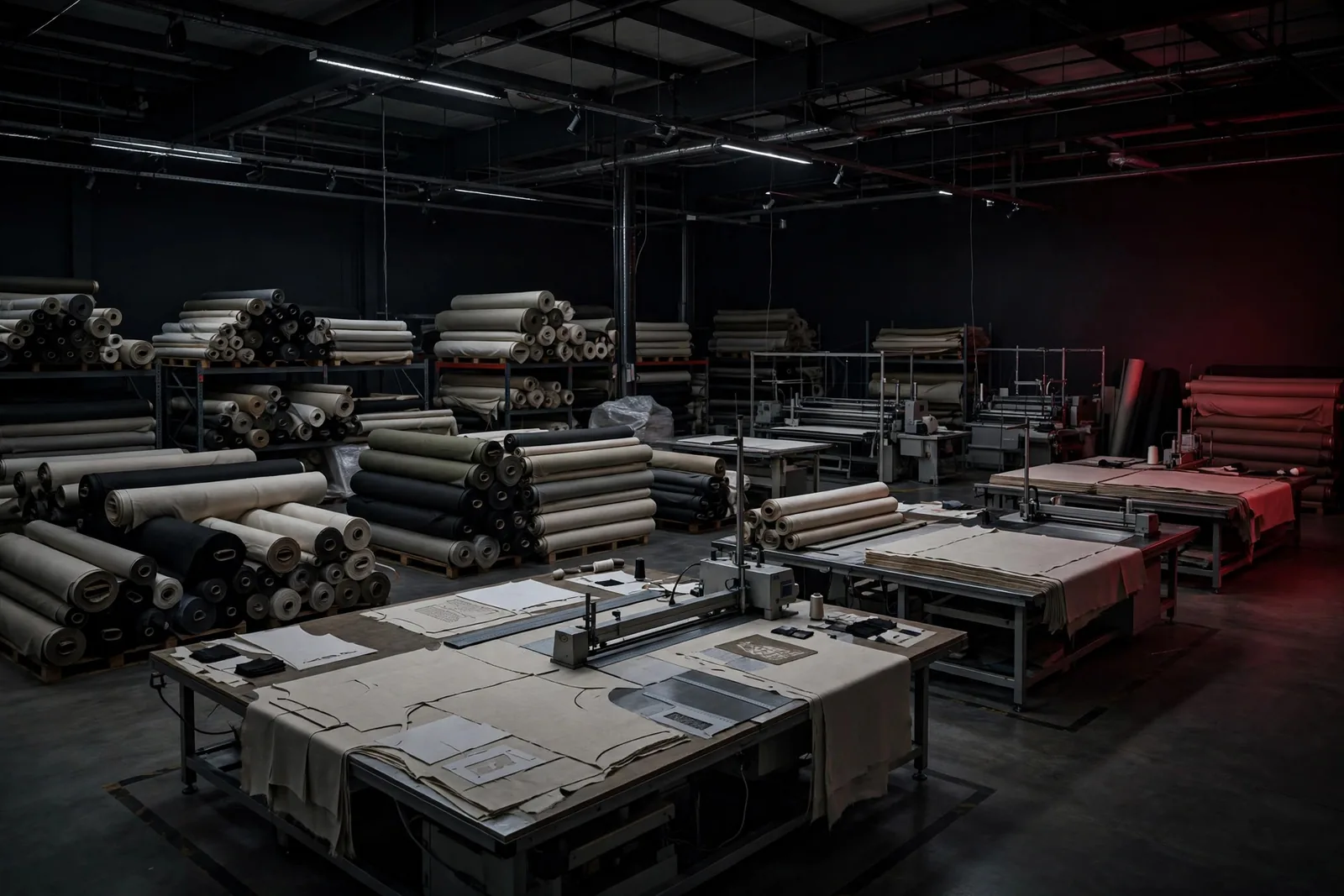
Ask how the factory selects fabrics for impact, stretch, breathability and repeated washing. For fight gear, material choice affects comfort, durability and how logos survive training. A knowledgeable partner explains trade-offs instead of simply offering the cheapest option.
Request fabric composition, weight and finish details for every style. Consistent material records make reorders predictable and help you answer customer questions with confidence.
Review Construction Quality
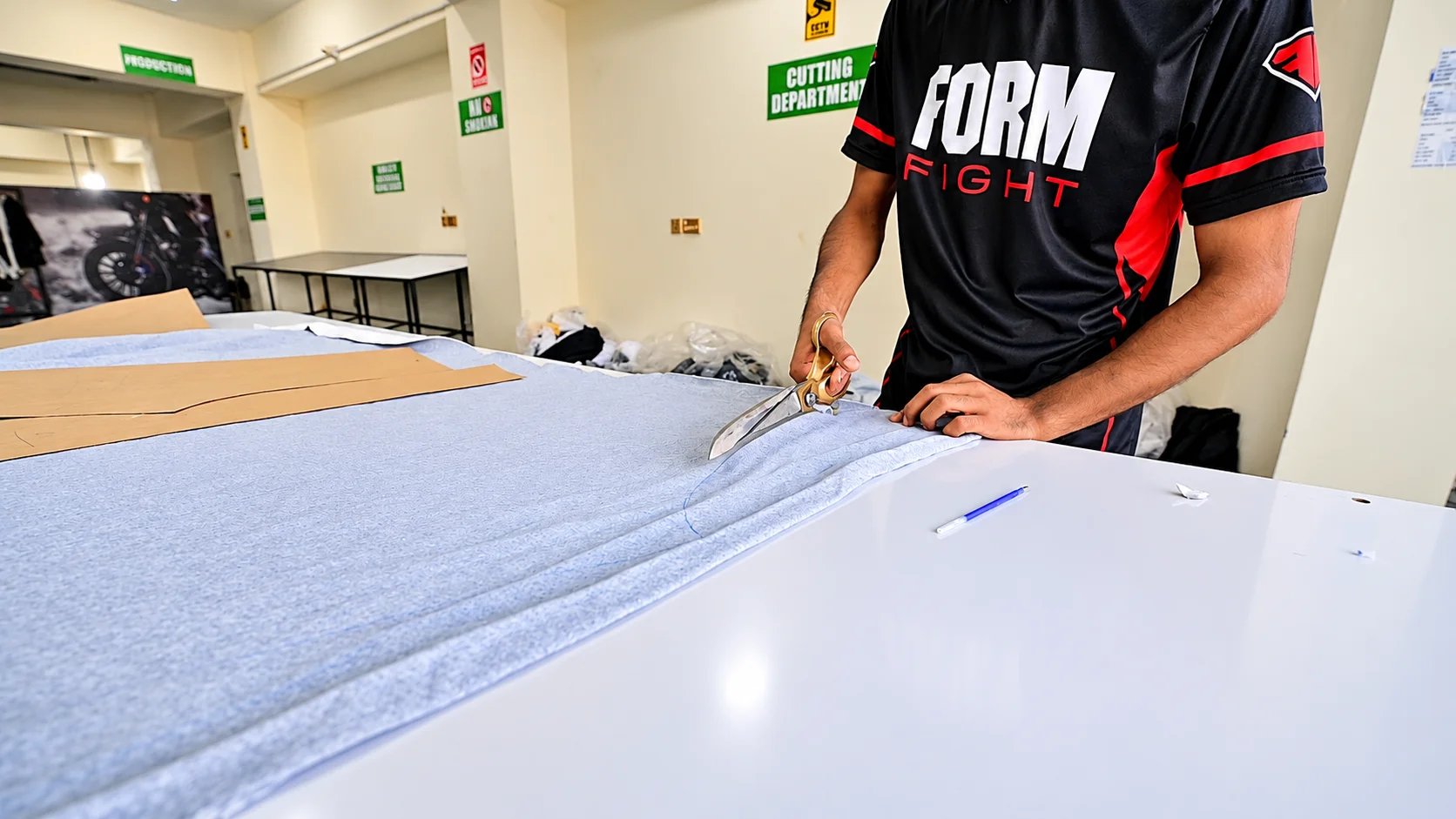
Stitching density, seam type and reinforcement placement reveal a lot about production standards. Look closely at stress points such as shoulders, cuffs, waistbands, straps and panel joins, because these areas fail first under hard use.
Ask for close-up photos or a physical sample of current production work. Neat, even stitching and clean finishing usually reflect a disciplined production floor and trained operators.
Understand the Sampling Process
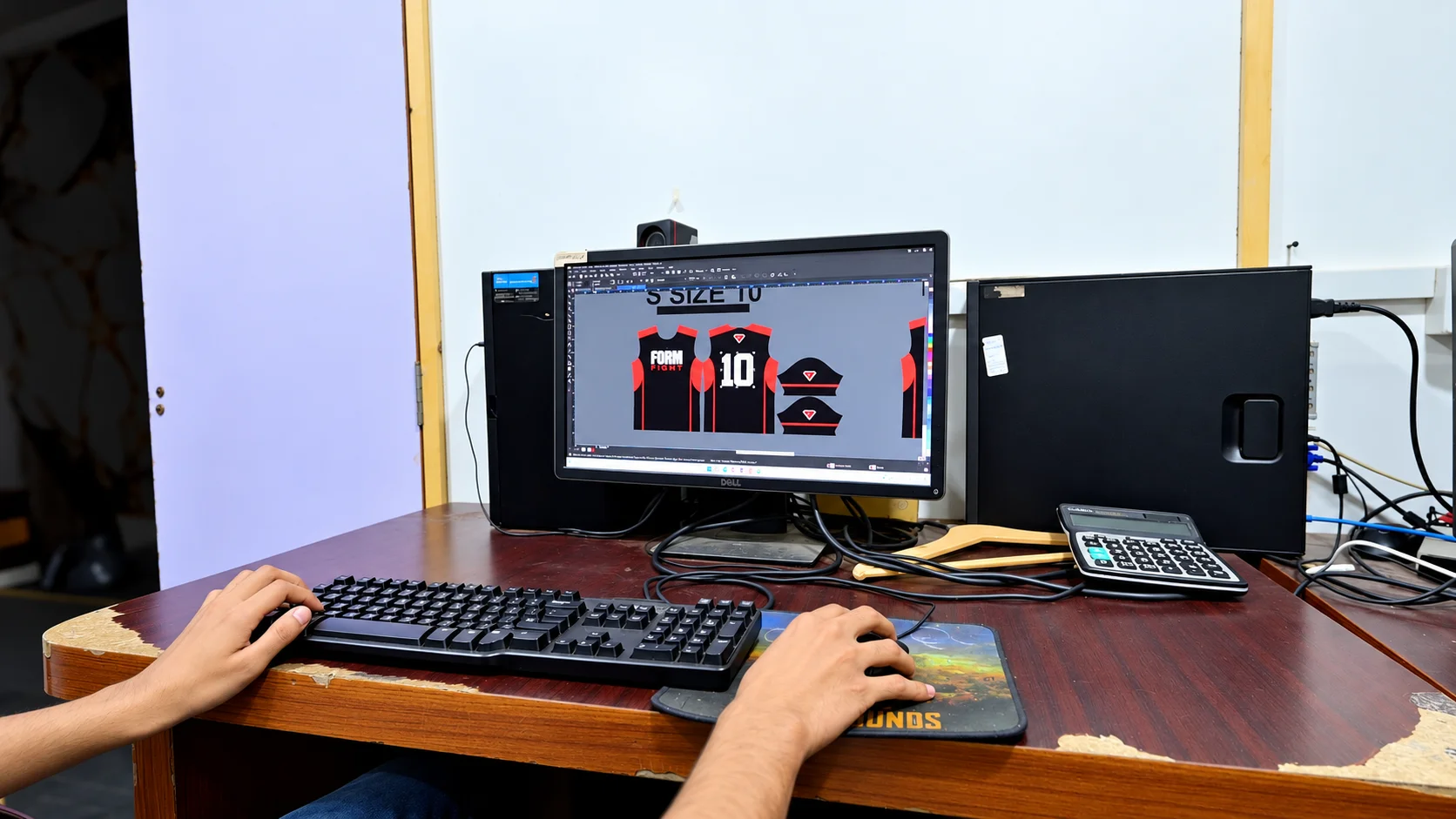
Sampling shows how a factory interprets your design before bulk money is spent. A structured process covers pattern making, a first sample, your feedback, revisions and a final pre-production sample for approval.
At FORM FIGHT, sampling is treated as a specification lock: once you approve the sample, bulk production should match it. Learn more about this approach on our sampling and prototyping capability page.
Ask About Quality Control Stages
Quality control should happen at several points, not only at the end. Incoming fabric checks, in-line inspections during sewing and final checks before packing each catch different problems while they are still cheap to fix.
Ask who inspects, what they measure and how defects are recorded. A factory that can explain its checkpoints clearly is more likely to apply them consistently on every order.
Test Communication
Judge response quality during sampling, not just speed. Good communication means clear answers about materials, timelines for each stage and honest updates when something needs adjustment.
Choose one point of contact and agree how tech packs, approvals and changes will be documented. Written confirmations prevent misunderstandings when a design detail changes mid-order.
Look for Customisation Ability
Most fight brands need more than plain stock. Check whether the factory can handle custom colours, logos, woven labels, trims and packaging under one roof or through managed partners.
- Logo methods such as embroidery, printing and woven labels
- Custom colour matching for panels and trims
- Private label neck labels and care labels
- Branded polybags, hang tags and cartons
- Size and fit adjustments across a full range
A factory with in-house custom manufacturing capability usually gives you cleaner branding and fewer handover errors.
Consider Location and Specialisation
Sialkot has a long history in sports goods and garment production, so factories there often combine skilled labour with established export processes. Location alone is not enough, but it can support strong category expertise.
Ask what share of production is fight and martial arts related. A focused factory is more likely to own the right machines, patterns and trained staff for your products.
Review Compliance and Working Practices
Ask how the factory manages workplace safety, fair working hours and legal requirements for your target markets. Responsible sourcing protects your brand if customers, marketplaces or retailers ask questions later.
Request any documentation the factory can share and be realistic about what a small or mid-size factory can provide. Transparency matters more than polished paperwork with no substance behind it.
Compare Total Value, Not Unit Price Alone
The cheapest quote can become expensive through remakes, delays, returns and lost repeat customers. Compare factories on sample accuracy, defect handling, communication and consistency across reorders.
Think of your manufacturer as a long-term partner in product quality. FORM FIGHT is built around that partnership model for brands developing fightwear, fightgear, uniforms and performance apparel.
Start Small and Scale Carefully
Begin with a focused range, approve samples carefully and review the first bulk order in detail before expanding. This gives both sides a clean baseline for sizing, colours and finishing.
When you are ready, share your designs through our request a quote page and use the first project to test fit, quality and communication before scaling up.
Conclusion
Choosing a fight gear manufacturer is a product decision as much as a price decision. Materials, construction, sampling and quality control determine what your customers actually receive, and those details decide whether they buy from you again.
Take time to compare factories properly, document your specifications and approve samples before bulk production. A careful start builds a supply relationship you can rely on as your brand grows.
FAQs
What should I send a manufacturer for an accurate quote?
Send tech packs or clear photos, fabric preferences, sizes, quantities per style, logo artwork and packaging requirements.
Why is sampling so important before bulk production?
Sampling locks fit, materials, colours and construction so both sides agree exactly what bulk production must match.
How many QC checks should a factory do?
At minimum, expect fabric inspection, in-line sewing checks and a final inspection before packing and dispatch.
Can one factory make fightwear and protective gear?
Yes, if it has the right machines and category experience, but you should verify samples for each product type separately.